Physics · electronics · signal processing

Measurement problems
that have no
off-the-shelf answer.

Scytronix is an engineering and science consultancy. We work from first principles when the sensor, the electronics and the signal cannot be treated as separate problems — and we take the work far enough to prove it on the bench.

A first call costs nothing and commits you to nothing. It exists to define the problem.

Capability recordFig. 01
9

DASA-supported projects in advanced RF sensing and defence technology

8

disciplines held in-house, from RF and optics through to firmware

4

sectors served: defence, industrial, recycling, instrumentation

Measured, not asserted — the work below is where each number comes from.

SectorsDefence & securityIndustrial sensingRecycling & resource recoveryScientific instrumentation

Services

Bring us the hard part.

Four ways clients engage with us. All four start in the same place: an honest read of what the physics will and will not allow.

01

Application engineering

Scytronix works with specialist technology manufacturers to develop customer applications around their products. We bridge the gap between advanced instrumentation and the real-world problem the customer is trying to solve.

Your technology, proven in the customer's problem

02

Concept to working prototype

When catalogue parts do not quite solve the problem, we develop the sensing physics, the low-noise electronics and the signal processing as one design — through to hardware that can be measured and argued with.

Built to be tested, not described

03

Diagnosis & product upgrade

Instruments drift, yields fall and faults resist explanation. We trace difficult failures to their physical cause and develop the measurable improvement, whether that is a redesign or a single corrected assumption.

Independent thinking once the obvious fixes are spent

04

Feasibility & technical due diligence

For investors, acquirers and boards weighing a technology before capital is committed. We establish what the claimed performance depends on, where the real limits sit, and what it would actually take to get there.

Answers arrive before the expensive part begins

Selected work

Six problems, six physical domains.

The common thread is not a market or a sensor type. It is pulling usable information out of environments that resist measurement.

Illustration of a lorry and container with an RF waveform passing through the load

RF sensing · Freight

Cargo verification by RF fingerprint

A freight screening system that builds a characteristic RF signature of a loaded lorry or container, so tampering, concealed presence and manifest fraud show up as a change in the signature. A spin-off from our defence work.

Illustration of an RF signal passing through a wall to detect a person on the other side

RF sensing · Defence

Through-wall presence detection

Military sensing work that produced an RF measurement system sensitive enough to resolve breathing and small movement through walls and other barriers.

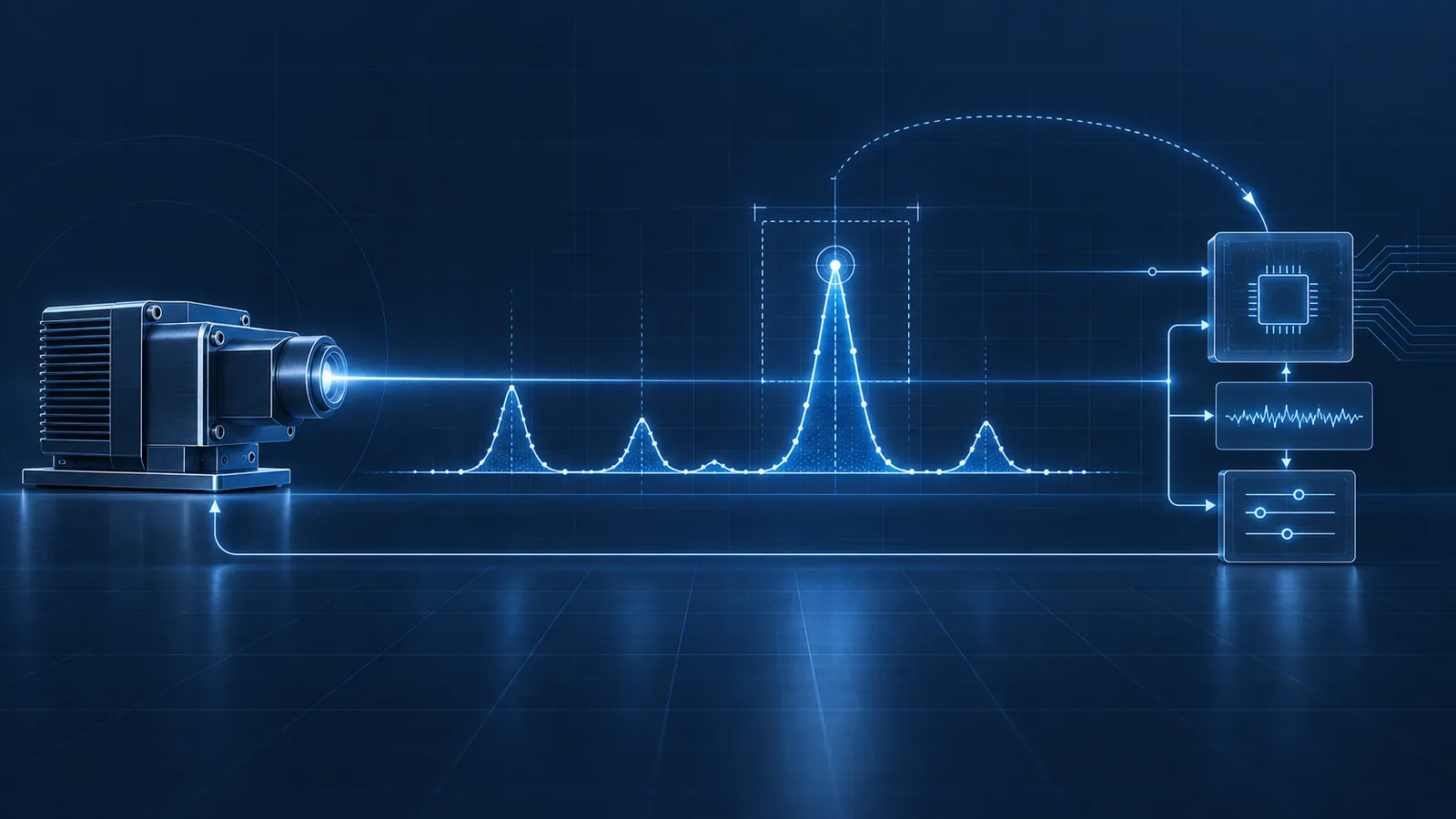
Illustration of a quantum cascade laser, an absorption spectrum and the control loop that holds it on the line

Lasers · Spectroscopy

High-stability QCL trace-gas measurement

A quantum cascade laser TDLS instrument in which bespoke signal processing, low-noise electronics, firmware and very stable control were designed against one another.

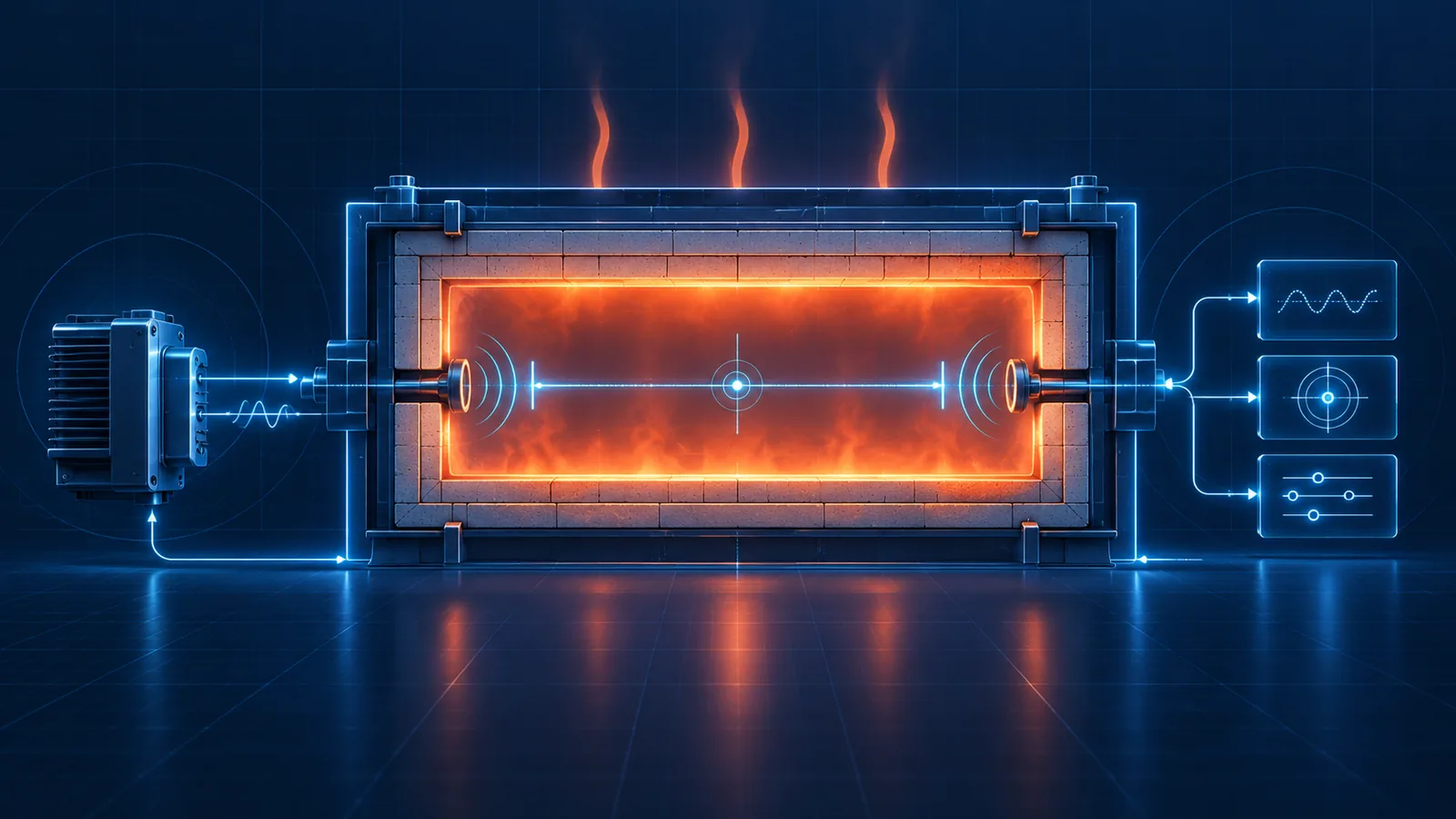
Illustration of passive RF sensing across a glowing furnace chamber, with signal-processing blocks either side

RF · Harsh environments

100 µm positioning at 850 °C

A passive RF micro-positioning method for precision distance measurement inside a high-temperature furnace, with drift and environmental perturbation compensated rather than ignored.

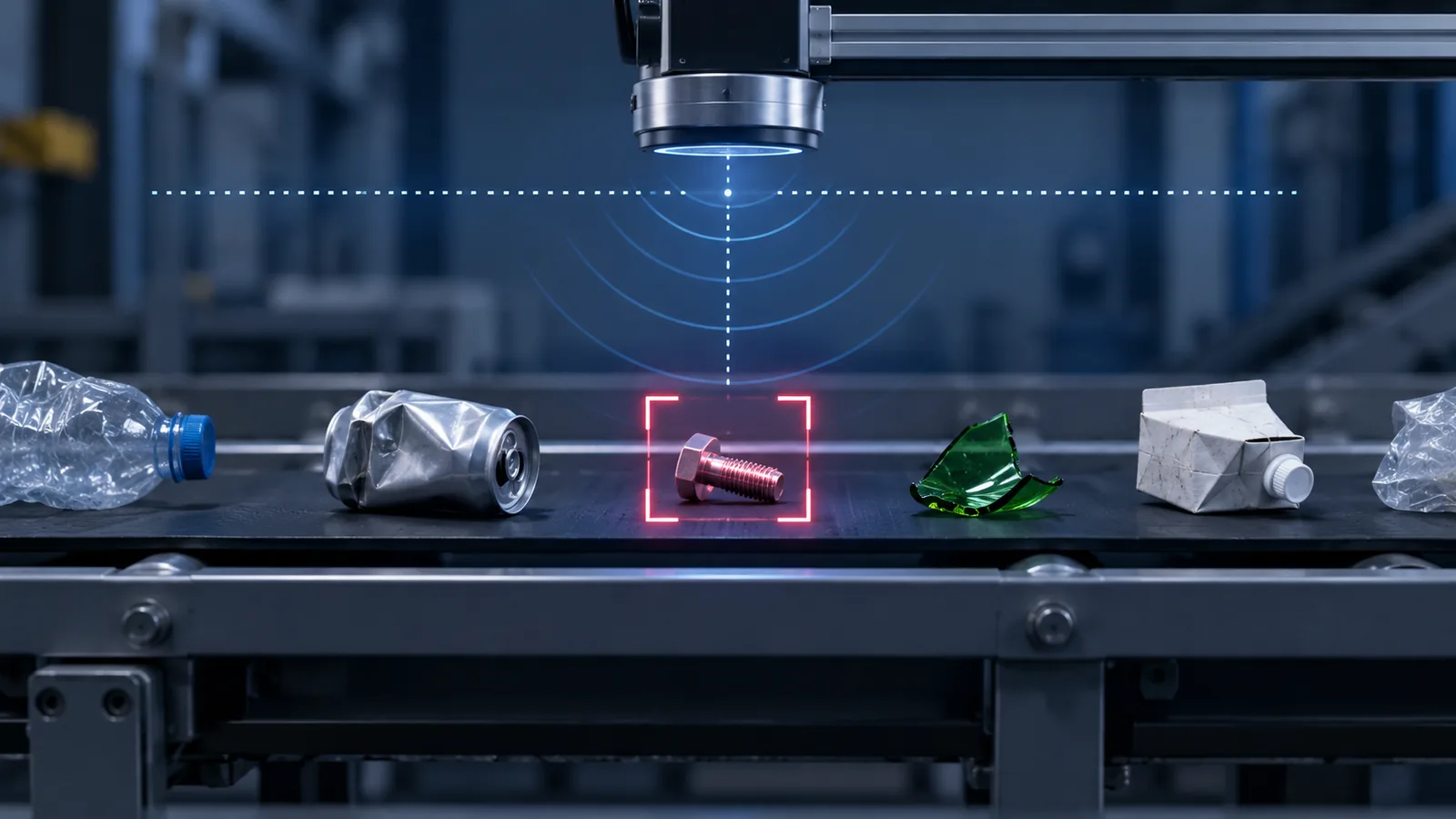
A sensor head above a recycling conveyor, flagging a metal bolt among bottles, cans and glass

Recycling · Detection

Hazardous items in recycling streams

Detection concepts for the materials that damage plant and start fires: non-magnetic stainless steel heading for a shredder, and cells hidden in mixed waste.

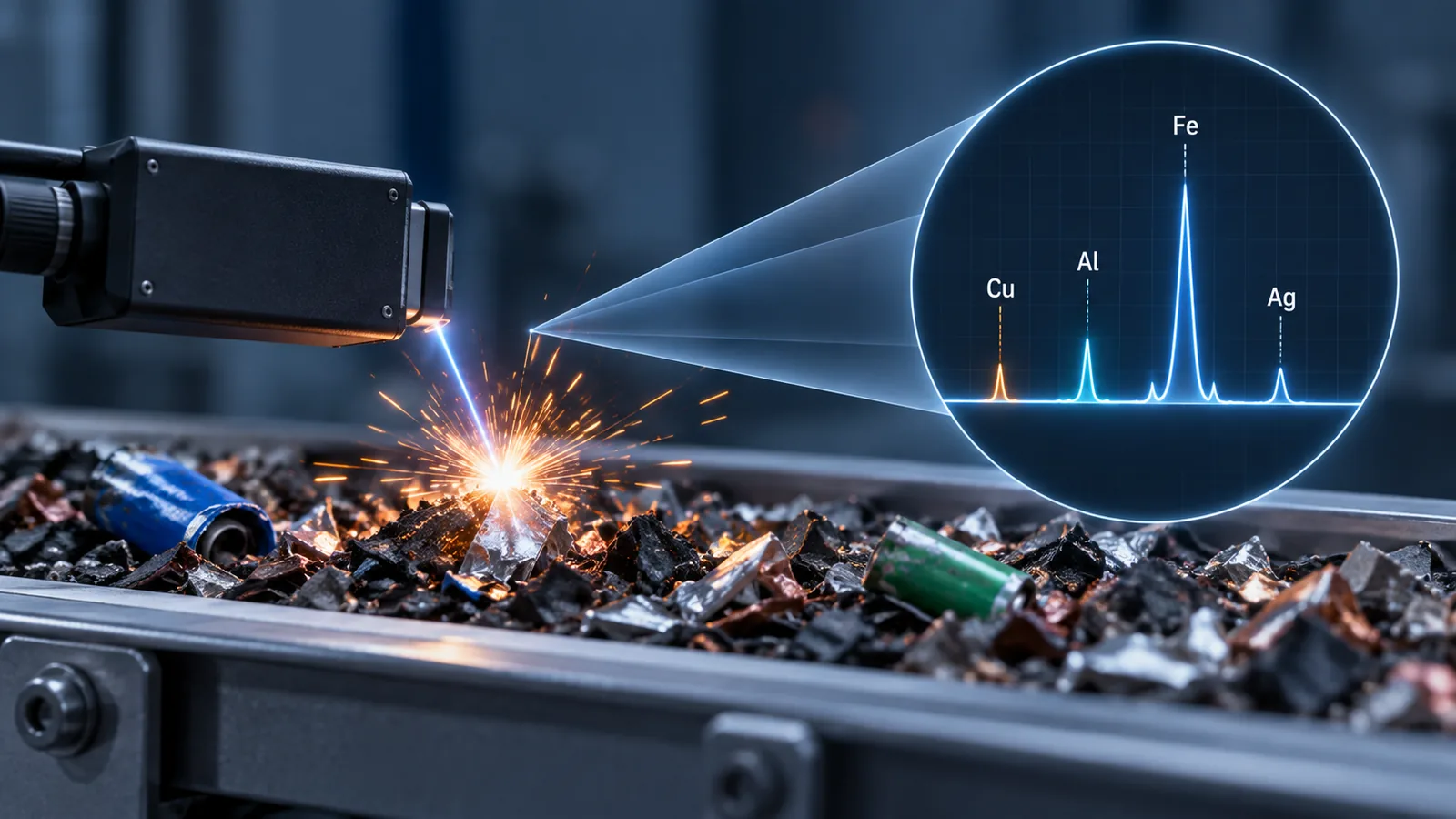
A spark on shredded battery material, with an inset emission spectrum showing copper, aluminium, iron and silver lines

Recycling · Spectroscopy

Trace-metal recovery in battery mix

Identifying valuable trace metals such as silver in battery material by reading the light from a generated spark spectroscopically.

Some work is under NDA and is not shown. Ask about your domain — we will tell you plainly whether we have been there before.

Approach

We work across the physical-to-digital gap.

The name joins science and electronics, and the overlap is the whole point. The physics tells us what the electronics has to achieve; the electronics is what lets us interrogate the physics in the first place.

A digital system is only ever as good as the physical information handed to it. We concentrate on that front end — what the sensor can resolve, how much of it survives the electronics, and what the processing can legitimately recover — before the reading becomes a number that nobody questions.

Disciplines in-house

RFInfraredOpticsLasersElectronicsDSPFirmwareSoftware
The Scytronix chainFig. 02

Physics

Light, heat, sound, fields — what is actually there to be measured

Electronics

Low-noise front ends that do not throw the signal away

Signal processing

Recovering what is recoverable, and knowing what is not

Product

A measurement you can build a business on

One joined-up problem. The sensor cannot be separated from the electronics, and the electronics cannot be separated from the signal you need at the end.

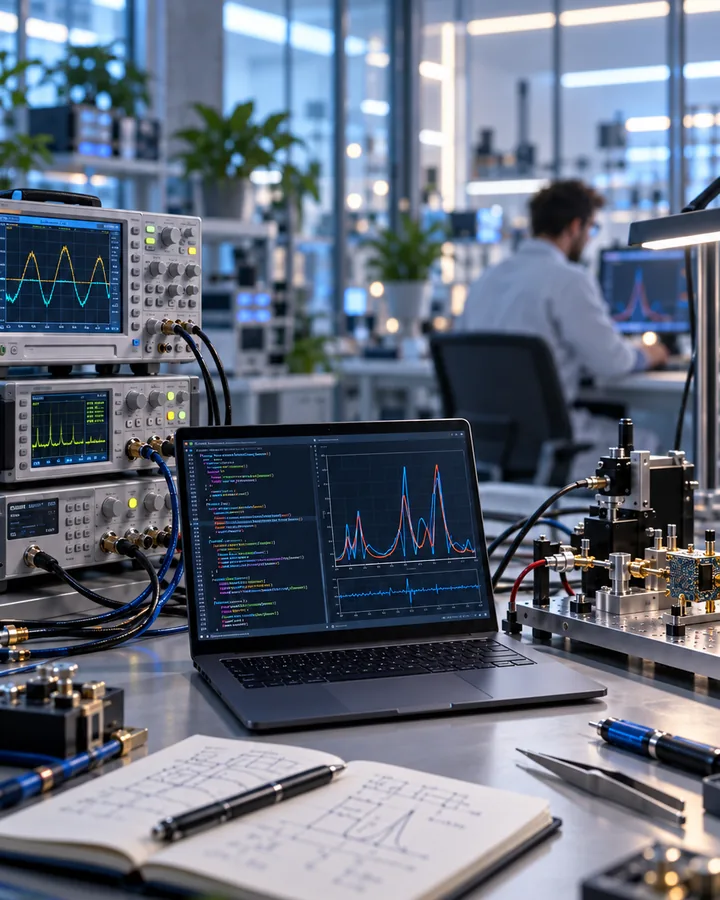
An electronics lab bench with oscilloscopes, a laptop showing spectra and an RF test fixture

About us

Scytronix was founded in 2010 on a simple principle: the most challenging technical problems rarely fit neatly within a single discipline.

We work across the boundaries of physics, electronics, signal processing and product design, bringing these areas together into a coherent, practical approach to innovation.

Every digital system ultimately depends on an interface with the physical world — something that can sense, measure, interpret or act. Scytronix creates these interfaces, applying fundamental science and engineering to real-world commercial problems.

By bringing together capabilities that are often separated across specialist teams, we lower the technical barrier to entry and give our clients access to solutions that would otherwise be difficult to develop in-house.

Start with the problem

Not sure what technology you need?

Good — define the outcome first. A scoping call is a conversation about the problem, its constraints and whether a sensible route exists. If there isn't one, you will hear that too.

Direct

Dr Hideaki Page

hideaki.page@scytronix.com

+44 (0)7722 819207

Scytronix Ltd · United Kingdom. Happy to sign an NDA before anything technical is discussed.

Describe the problem

Goes directly to Dr Page. Nothing is shared beyond Scytronix.